
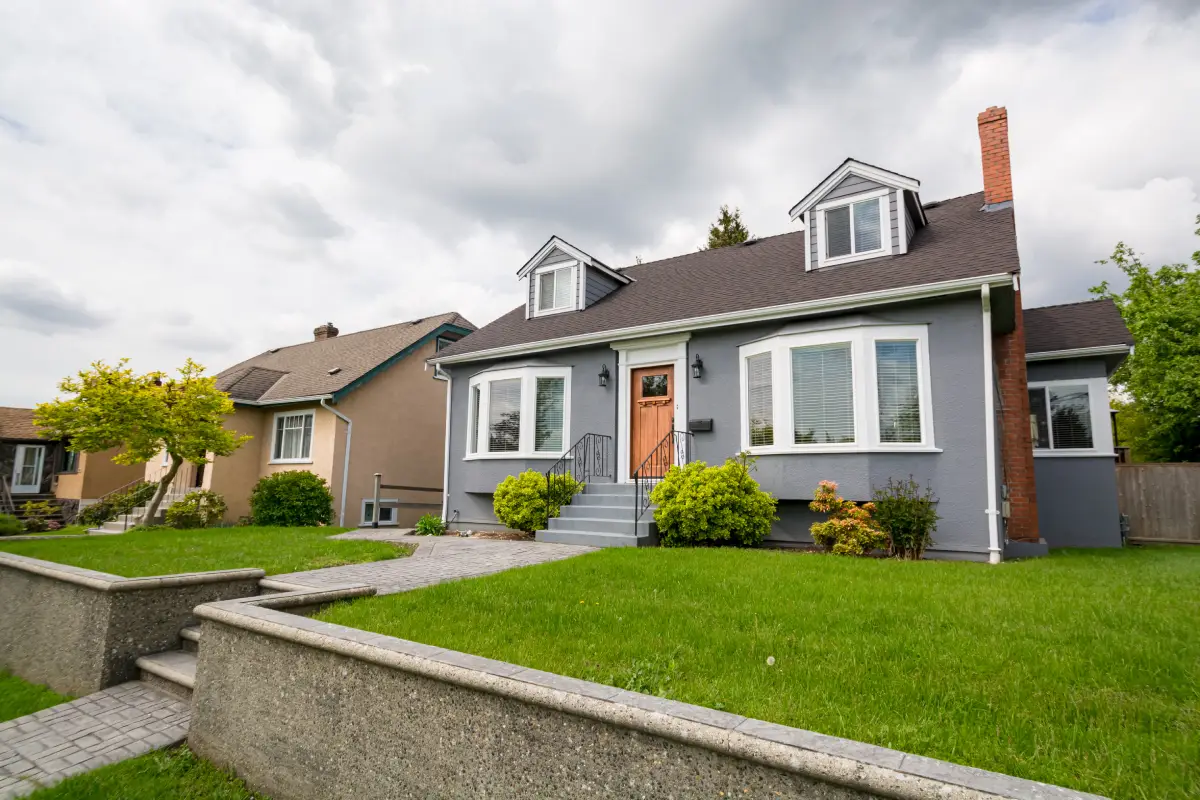
A well-run HOA depends on structure, communication, and trust between residents and board members. In Santa Clara communities, homeowners expect rules to be applied fairly while still allowing room for practical judgment. Through our compliance improvement tips, we’ve seen how balanced enforcement helps communities avoid unnecessary disputes and maintain stronger resident relationships.
Problems often begin when rules are enforced without context. Residents may feel unheard, frustrated, or singled out, even when policies are technically correct. A more thoughtful enforcement process helps boards maintain standards while improving cooperation throughout the community.
Key Takeaways
- Fair enforcement strengthens resident trust and improves long-term cooperation.
- Clear communication prevents many HOA disputes from escalating.
- Flexible decision-making helps boards address real-life situations more effectively.
- Excessive enforcement can reduce voluntary homeowner compliance.
- Organized documentation supports transparency and consistency in Santa Clara HOAs.
Why Consistency Matters in HOA Enforcement
Residents want to know that community standards apply equally to everyone. Consistency creates predictability, which helps homeowners feel more confident in HOA leadership.
Residents Expect Equal Treatment
When similar violations receive different responses, residents often begin questioning the board’s judgment. Even small inconsistencies can create tension in neighborhoods where homeowners already pay close attention to community policies.
Boards that establish clear procedures usually experience fewer complaints because expectations are easier to understand. Communities also benefit when board members regularly review policies and maintain organized communication practices.
Using resources like our board leadership guidance can help HOA boards apply standards more consistently while reducing confusion during enforcement decisions.
Increased Oversight Creates More Pressure
As residents become more familiar with HOA policies, they tend to monitor enforcement more closely. This can lead to increased reporting between neighbors and higher expectations for board responses.
In some Santa Clara neighborhoods, small violations quickly become larger discussions because homeowners expect immediate action. Without strong communication, routine concerns can create unnecessary friction within the community.
Research showing that 86% of residents in community associations report neutral or positive experiences highlights how important fair governance remains to long-term resident satisfaction.
Real-Life Situations Require Practical Judgment
Policies provide structure, but homeowners often face circumstances that do not fit neatly into standard enforcement timelines. Boards that rely only on rigid procedures may unintentionally increase conflict.
Financial Hardships Affect Compliance
Some violations happen because residents are dealing with temporary financial difficulties. Delayed maintenance, unpaid dues, or incomplete applications are not always signs of neglect.
Boards can maintain accountability while still encouraging productive communication. Many communities achieve better outcomes when residents feel they have an opportunity to explain their situation before penalties escalate.
Our experience with assessment collection strategies has shown that respectful communication often improves cooperation faster than aggressive enforcement tactics.
Personal Conflicts Can Intensify Disputes
Not every violation becomes a problem because of the rule itself. Sometimes the conflict develops because of tone, assumptions, or personality differences between residents and board members.
Short emails, delayed responses, or vague notices can quickly create defensiveness. Homeowners are more likely to cooperate when communication remains calm, direct, and solution-focused.
Delays Damage Trust
Residents expect timely responses when questions arise. Ignored emails or inconsistent follow-ups can make homeowners feel dismissed, which often increases frustration.
HOAs that prioritize communication usually resolve issues faster and maintain stronger resident relationships over time.
Excessive Enforcement Can Reduce Cooperation
Communities function more smoothly when homeowners voluntarily follow rules because they understand the purpose behind them. Over-enforcement changes that relationship.
Residents May Feel Constantly Monitored
Frequent notices and penalties can create the impression that the HOA is focused more on punishment than community improvement. When homeowners feel targeted, cooperation often decreases.
Boards should evaluate whether every issue requires immediate escalation. In some cases, a reminder or conversation may resolve the issue without creating unnecessary tension.
Strict Processes Can Create Pushback
Rigid enforcement sometimes leads residents to challenge decisions more aggressively. Homeowners may begin disputing fines, questioning board authority, or resisting communication altogether.
Communities dealing with ongoing enforcement frustrations often benefit from reviewing their overall communication process. Our professional management solutions help boards maintain standards while improving resident interactions.
Low Engagement Weakens Community Culture
When residents feel disconnected from HOA leadership, participation often declines. Fewer homeowners attend meetings, volunteer for committees, or contribute feedback that could improve operations.
Some communities also struggle with underused amenities and limited homeowner participation. Through our work involving community resource planning, we’ve seen how stronger engagement supports better compliance and neighborhood satisfaction.
Communication Has a Direct Impact on Compliance
Strong communication prevents many enforcement problems before they escalate. Residents respond better when they clearly understand expectations and procedures.
Clear Messages Reduce Confusion
Violation notices should explain:
- The specific issue
- The related community policy
- The expected correction timeline
- Available next steps
Clear information helps residents respond more quickly and reduces unnecessary back-and-forth communication.
Tone Matters During Enforcement
Even accurate notices can create tension if the wording feels harsh or dismissive. Respectful communication helps residents stay focused on resolving the issue instead of reacting emotionally.
Industry data involving 42 active violation cases shows how large enforcement workloads can lead to rushed or overly generic communication. Boards that prioritize clarity and professionalism often experience fewer escalated disputes.
Proactive Outreach Improves Compliance
Residents are more likely to follow policies when expectations are communicated early and consistently. HOA newsletters, reminder emails, and inspection updates help prevent confusion before violations occur.
Our self-managed HOA support services help communities strengthen communication systems while improving enforcement organization.
Strategic Flexibility Creates Better Long-Term Results
Flexibility does not mean ignoring rules. It means applying policies thoughtfully while maintaining fairness across the community.
Define Situations Where Exceptions Apply
Boards should establish clear guidelines for handling temporary hardships, emergencies, or unique circumstances. Documented policies reduce the appearance of favoritism while still allowing reasonable judgment.
Keep Thorough Documentation
Every enforcement decision should include written notes explaining the circumstances, communication history, and final resolution. Organized records support transparency and consistency.
Communities also benefit from routine property compliance inspections, which help boards identify issues early and maintain clear enforcement records.
Support Board Training
Board members make stronger decisions when they understand enforcement procedures, communication expectations, and documentation requirements. Ongoing education improves confidence and consistency throughout the decision-making process.
Build a Community-Focused Culture
HOAs operate more effectively when residents feel respected and informed. Balanced leadership encourages homeowners to stay engaged rather than becoming defensive or disconnected from the association.
FAQs about HOA Rule Enforcement in Santa Clara, CA
Can HOA boards adjust enforcement timelines for temporary homeowner situations?
Yes, many boards allow reasonable extensions for temporary hardships when policies support flexibility. Documented timelines and clear communication help associations maintain fairness while giving residents time to resolve issues responsibly within community standards.
What causes homeowners to lose trust in HOA enforcement decisions?
Trust often declines when communication feels inconsistent, delayed, or unclear. Residents usually respond better when boards explain violations thoroughly, apply rules evenly, and maintain transparent documentation that supports every enforcement decision across the community.
Should HOA boards give warnings before issuing fines?
Many associations benefit from warning notices because they encourage cooperation before penalties escalate. Early communication gives residents time to correct violations, ask questions, and understand expectations without immediately creating frustration or defensive reactions.
How can HOAs reduce repeated violations in residential communities?
Communities often reduce repeat violations by improving communication, providing reminders, and explaining why rules exist. Residents are more likely to cooperate when they understand how policies protect property appearance, neighborhood standards, and long-term community stability.
Why is documentation important during HOA enforcement disputes?
Written records help boards track communication, timelines, inspection details, and enforcement decisions accurately. Thorough documentation supports consistency, protects the association during disputes, and creates a more transparent process for homeowners throughout the enforcement cycle.
A Smarter Path Toward Fair HOA Leadership
Strong communities rely on enforcement systems that protect standards without damaging resident trust. In Santa Clara, HOA boards achieve better long-term results when communication, consistency, and practical judgment work together.
At PMI SouthBay, we help residential associations create organized enforcement processes that support compliance while strengthening community relationships. From communication planning to inspections and documentation, our team helps boards handle challenges with greater clarity and confidence.
Ready to improve enforcement consistency while reducing unnecessary conflict? Start compliance inspections with PMI SouthBay today and build a more cooperative community environment.
