
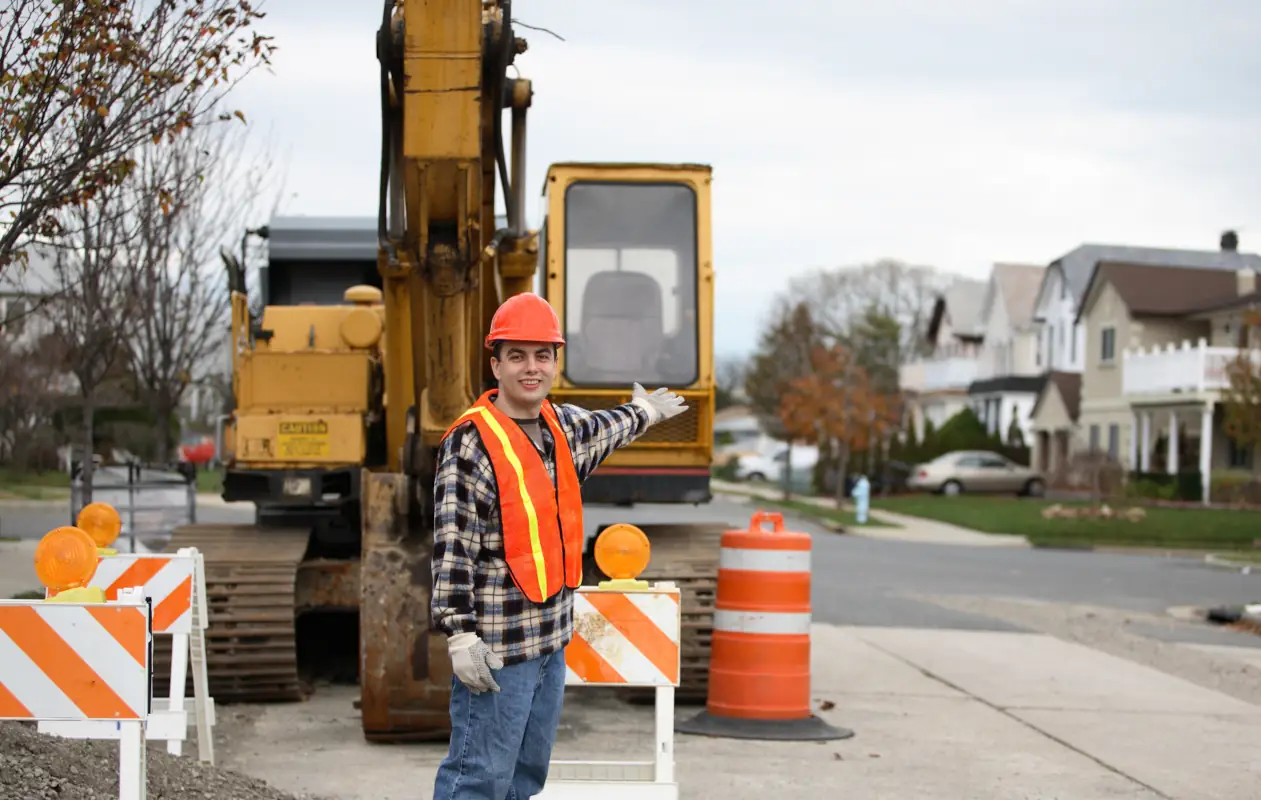
Most HOA boards don’t struggle because their communities lack funds. They struggle because maintenance is treated as an afterthought. Things are fixed when they break. Repairs happen only when homeowners start complaining. And issues are ignored until they turn into emergencies.
This reactive mindset drains reserves, shortens the lifespan of major community assets, and pushes HOAs into special assessments and high insurance premiums. The real cost isn’t just financial. It’s lost trust, legal exposure, and declining property values.
Preventative maintenance changes all of that. When HOAs commit to scheduled upkeep, strategic inspections, and early repairs, they see measurable savings within the first year. This isn’t hype. It’s exactly how well-run associations avoid expensive disasters and maintain stable budgets.
This article breaks down the ROI of preventative maintenance, the hidden cost of deferred repairs, and real-world examples—like the Orange County HOA fire—that prove why proactive upkeep is the smartest financial strategy a board can adopt.
The Financial Power of Preventative Maintenance
Preventative maintenance ROI isn’t abstract. It’s real, measurable, and backed by decades of community management data. The math is straightforward.
Fix something early, and you spend a little.
Fix it late, and you spend dramatically more.
Small Fixes Cost Less—Always
A tiny roof leak can be solved for a few hundred dollars. Ignore that leak, and it becomes attic mold, drywall damage, structural rot, and a full roof replacement. What would have cost a few hundred can easily become a $25,000 to $60,000 project.
A sidewalk crack might cost $300 to grind or repair. Leave it for two years, and the soil shifts, roots grow, slabs heave, and the HOA is now replacing entire sections for $5,000–$12,000.
Preventative maintenance turns huge future expenses into manageable, predictable line items.
Extending Lifespan of Community Assets
Every major component in a community has an expected lifespan. Asphalt, paint, roofing, pool pumps, irrigation systems, fences, lighting—all of it ages. But nothing deteriorates faster than neglected infrastructure.
Regular maintenance can extend asset lifespan by 20 to 30 percent, which translates into tens or hundreds of thousands saved over a decade.
For example:
Asphalt maintained every 3–4 years can last 25 years.
Without maintenance, it dies in 12 to 15 years.
That’s not a small difference. It determines whether your reserve study stays accurate or falls apart.
Predictability Protects the Budget
Every HOA wants financial stability. Preventative maintenance delivers that by taking unpredictable emergencies and turning them into scheduled projects.
Emergencies are budget killers.
Scheduled maintenance is controllable and planned.
This alone is why professionally run communities never gamble on deferred maintenance.
The Hidden Costs of Deferred Maintenance
Boards often assume they’re saving money by delaying repairs. The truth is the opposite. Deferred maintenance quietly drains an HOA’s financial health through a dozen channels most boards never consider.
Emergency Labor Premiums
Contractors charge more when the HOA needs help urgently. What might be a $1,500 job becomes a $4,000 job because it’s last-minute.
Secondary Damage
A minor issue rarely stays minor. If the underlying cause isn’t treated, it spreads—water damage, rust, mold, structural warping, pest problems, and electrical hazards are the usual chain reaction.
Insurance Impact
Insurers notice patterns. Claims from preventable issues lead to:
Higher premiums
Higher deductibles
Stricter inspections
Coverage exclusions
A single avoidable incident can affect premiums for years.
Liability Exposure
Deferred maintenance leads to lawsuits—trip hazards, falling branches, loose railings, broken lighting, and structural failures. These aren’t theoretical risks. They are some of the most common HOA claims nationwide.
Special Assessments
When costs balloon out of control, homeowners pay the price. Special assessments erode trust and damage community relationships.
Loss of Property Value
Prospective buyers walk through communities with trained eyes. Poor maintenance is obvious within seconds—peeling paint, cracked pavement, overgrown landscaping, worn roofing, and outdated amenities lower property values instantly.
Deferred maintenance isn’t saving money. It’s quietly burning.
Case Study: The Orange County HOA Fire That Could Have Been Prevented
One Southern California HOA learned the hard way how costly deferred maintenance can be.
For years, homeowners reported flickering lights and randomly tripped breakers in several buildings. The board shrugged it off because everything “still worked.” No electrical inspection was ordered. No preventive upgrades were made.
Then it happened.
A hidden wiring fault, worsened over years, triggered an electrical fire that spread through multiple units. The fire required emergency response, displacement of residents, and months of reconstruction.
Here’s what the numbers looked like:
Preventative inspection & electrical panel upgrades:
Estimated cost: $10,000–$15,000
Fire damage, reconstruction, insurance impact, deductibles:
Total cost: Over $400,000
This didn’t include the long-term financial pain:
Higher insurance premiums for the next five years
Additional safety inspections mandated by carriers
Legal concerns raised by homeowners
Emergency reserve withdrawals
Delayed projects in other areas
A temporary special assessment to recover deductibles
This real incident showcases exactly why preventative maintenance isn’t optional. It’s mandatory if a board wants to protect both money and people.
Why Preventative Maintenance Strengthens Reserve Planning
A reserve study is only useful when the community follows it. Preventative maintenance helps ensure that components meet (or exceed) their projected lifespan.
When HOAs neglect upkeep:
Reserve studies become
Reserve funding falls
Large projects arrive early and
Budgets are
Special assessments become unavoidable
When HOAs follow a preventative maintenance plan:
Reserve contributions stay on Components last their full expected
Financial planning becomes
Annual budgets stay
Homeowners trust the board
Preventative maintenance is the backbone of responsible reserve management.
Operational Benefits HOAs Don’t Want to Ignore
The savings are important, but the operational advantages are equally valuable.
Fewer Emergencies
Responding to emergencies drains time from managers and board members. Preventative maintenance means fewer midnight calls, fewer angry homeowners, and fewer urgent vendor visits.
Stronger Vendor Relationships
When vendors know the HOA maintains its property regularly, they price more fairly and provide higher-quality service. They also schedule work months in advance, which keeps pricing stable.
Better Homeowner Satisfaction
Nothing frustrates residents faster than constant breakdowns. Well-maintained communities enjoy:
Fewer complaints
Less conflict
Happier homeowners
Smoother meetings
Higher engagement
Improved Safety
Lighting, walkways, railings, tree trimming, and electrical systems directly affect community safety. Preventative maintenance reduces risks dramatically.
How HOAs Can Build a High-ROI Preventative Maintenance Program
If an HOA wants to stop bleeding money on avoidable problems, here’s the framework.
1. Build a Community Maintenance Calendar
This should include annual, quarterly, and monthly tasks such as:
Roof inspections
Asphalt sealing
Gutter cleaning
Irrigation audits
Pool equipment servicing
HVAC servicing
Exterior paint cycle reviews
Landscape assessments
When maintenance is scheduled, costs stay predictable.
2. Align Every Action with the Reserve Study
The reserve study isn’t just a document. It’s a roadmap. Follow it. Update it. Treat it as a living tool.
3. Use Professional Vendor Partnerships
Reliable vendors catch problems before they become disasters. Cheap or inconsistent vendors cost more in the long run.
4. Conduct Quarterly Walkthroughs
Boards should walk the property with management to spot early signs of wear and tear.
5. Implement a Resident Reporting System
Encourage homeowners to report issues immediately. Most residents notice problems before staff do.
6. Track Maintenance in a Centralized System
Document every repair, inspection, cost, and recommendation. This history helps boards plan smarter and supports insurance claims.
The Bottom Line: Preventative Maintenance Always Pays for Itself
The most financially stable HOAs share one thing in common: they maintain their communities proactively.
Preventative maintenance is not an expense. It is the single most powerful cost-savings tool a board has. It protects reserves, prevents costly emergencies, minimizes liability, and keeps homeowners happy. HOAs that ignore maintenance end up paying far more through emergency repairs, insurance claims, property damage, and reduced asset lifespan.
The math is simple.
The risk is real.
The ROI is proven.
If an HOA wants stability, safety, and long-term savings, preventative maintenance isn’t just smart. It’s essential.
