
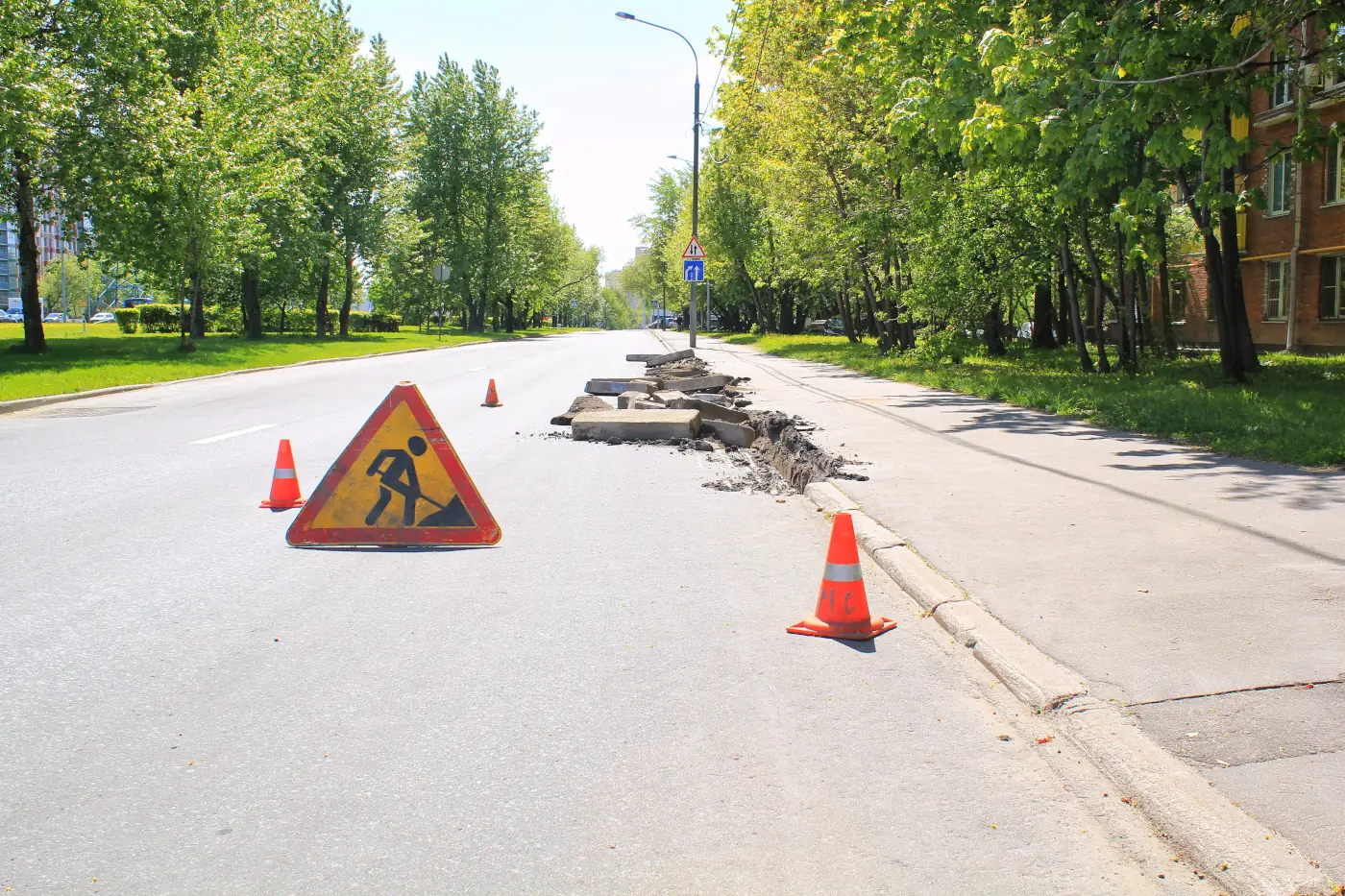
Every homeowners association will eventually face major repairs. Roof systems age. Exterior components deteriorate. Mechanical systems reach the end of their life cycle. Pavement cracks. Balconies and structural elements require restoration.
None of this is surprising.
What often becomes surprising, however, is how quickly costs escalate when repairs are delayed.
Across communities in Santa Clara and the broader South Bay area, boards frequently wrestle with the same question: Should we move forward now, or wait another year?
At PMI SouthBay, we’ve seen firsthand how that decision impacts HOA financials, reserve stability, and long-term property value. Delaying major repairs may feel cautious in the short term, but financially, it often leads to significantly higher long-term costs.
This article explores the real financial and operational impact of postponing major repairs — and how proactive HOA Management creates stability instead of stress.
Why HOA Boards Delay Major Repairs
Most boards do not delay projects out of neglect. They delay because they are trying to be responsible.
Common reasons include:
Concern about increasing assessments
Desire to avoid burdening homeowners
Uncertainty about reserve funding levels
Waiting for “one more year” of useful life
Wanting more clarity before committing
These are understandable considerations. However, effective Association Management requires evaluating not only today’s impact, but tomorrow’s financial consequences.
Strong HOA Services provide boards with data, reserve alignment, and cost forecasting that allow informed decisions — not delayed ones.
The Financial Escalation of Deferred Repairs
Major repairs rarely become less expensive over time.
A roof with minor deterioration today may require partial repairs. Left unattended, that same roof may require full replacement along with interior remediation. A cracked asphalt surface may need patching initially, but years of delay can result in full resurfacing and structural base repair.
From an HOA financials perspective, delay often results in:
Expanded repair scope
Emergency labor premiums
Limited vendor availability
Reduced competitive bidding
Higher total project costs
Planned projects allow HOAs to secure bids strategically and manage timing. Delayed projects often eliminate that flexibility.
The Impact on Reserve Planning
Reserve funds are designed to support long-term capital projects. However, when repairs are postponed beyond their anticipated timeline, reserve studies can lose accuracy.
This creates several issues:
Unexpected reserve withdrawals
Acceleration of future contribution increases
Disruption to long-term funding models
Reduced confidence in financial projections
Professional HOA Management Companies integrate maintenance timelines with reserve planning to ensure alignment. When repairs are addressed proactively, reserve schedules remain stable and predictable.
When repairs are repeatedly delayed, financial forecasting becomes less reliable.
Budget Instability and Cash Flow Pressure
Emergency or last-minute projects place significant strain on operating budgets.
Boards may need to:
Reallocate funds from other priorities
Accelerate reserve transfers
Adjust budgets mid-cycle
Explore financing options with limited preparation time
These decisions are more difficult under pressure.
Comprehensive HOA Support ensures that anticipated repairs are identified early, allowing boards to incorporate them into annual budgeting and financial planning processes.
Vendor and Project Management Challenges
When major repairs are planned in advance, associations benefit from:
Clear project scopes
Competitive bidding
Flexible scheduling
Stronger vendor accountability
When repairs are delayed until urgent, the association’s options narrow. Vendors may have limited availability, and timelines become compressed.
Strategic Association Management emphasizes early planning not only to control costs, but also to improve overall project execution.
The Broader Impact on Property Value
Visible deterioration sends a message.
Even well-funded communities can experience reputational concerns when maintenance is visibly deferred. Prospective buyers and real estate professionals often evaluate:
Exterior condition
Infrastructure upkeep
Long-term maintenance history
Financial health of the HOA
Communities that maintain consistent repair schedules tend to present greater stability. That stability supports stronger property values and homeowner confidence.
Through proactive HOA Services in Santa Clara, boards can ensure that maintenance planning reflects the standards expected in today’s market.
Operational Stress and Board Fatigue
The cost of delay is not limited to financial numbers.
Reactive repairs create:
Increased workload for managers
Frequent homeowner inquiries
Compressed decision timelines
Greater stress on board members
In contrast, structured planning supported by experienced HOA Management reduces operational strain. When major projects are scheduled thoughtfully, communication improves and community expectations are managed effectively.
Communication and Transparency
Homeowners generally respond better to early, transparent communication than to urgent announcements.
When projects are planned in advance, boards can:
Share timelines early
Explain financial strategy
Outline reserve alignment
Provide clear cost breakdowns
Effective HOA Support strengthens this communication process. When boards are equipped with accurate financial data and project details, conversations become more constructive.
Long-Term Financial Health
One of the most overlooked aspects of deferred maintenance is how it impacts long-term HOA financials.
Each delay can:
Shorten future asset life
Increase cumulative capital expenses
Shift financial burden to future boards
Reduce flexibility in funding decisions
Strong Santa Clara Association Management requires balancing current homeowner concerns with long-term sustainability.
At PMI SouthBay, maintenance planning is integrated directly into broader financial oversight. This ensures that repair timing, reserve studies, and annual budgets remain aligned.
A Proactive Approach to Major Repairs
Proactive HOA Management does not mean rushing into projects unnecessarily. It means:
Conducting regular inspections
Reviewing reserve studies annually
Evaluating component life cycles
Monitoring financial impact
Planning projects within realistic timelines
By combining financial clarity with maintenance forecasting, boards can act with confidence rather than hesitation.
Professional HOA Services help associations shift from reactive decision-making to strategic planning.
The Role of Santa Clara Association Management in Long-Term Stability
Communities seeking dependable Santa Clara Association Management benefit from a balanced approach, one that emphasizes foresight, communication, and financial discipline.
Effective Santa Clara Management integrates:
Detailed financial reporting
Transparent reserve analysis
Vendor coordination
Project oversight
Clear homeowner communication
When these elements work together, major repairs become manageable milestones instead of disruptive events.
The Bottom Line
Delaying major repairs may seem financially conservative, but in many cases, it increases total costs and introduces unnecessary instability.
Communities that address repairs proactively tend to experience:
More predictable HOA financials
Stronger reserve alignment
Better vendor outcomes
Clearer communication
Greater long-term stability
At PMI SouthBay, we support associations through comprehensive HOA Management, strategic Association Management practices, and professional HOA Services in Santa Clara that prioritize long-term planning over short-term delay.
Because in well-managed communities, maintenance decisions are guided by strategy — not by hesitation.
